Must-Know Electrical Safety Tips for Home Renovations

Home renovations can be an exciting time, filled with the promise of new spaces and improved functionality. However, they also come with their own set of risks, particularly when it comes to electrical work. Whether you’re updating your kitchen, adding a new room, or simply replacing old fixtures, understanding electrical safety is crucial. Here are some essential tips to keep you safe during your home renovation.
Understand Your Electrical System
Before starting any renovation project, take the time to familiarize yourself with your home’s electrical system. This includes knowing:
Main electrical panel location: Understand where your main electrical panel is located and how to access it.
Circuit breakers: Identify which breakers control specific areas of your home. This knowledge will help you safely shut off power when needed.
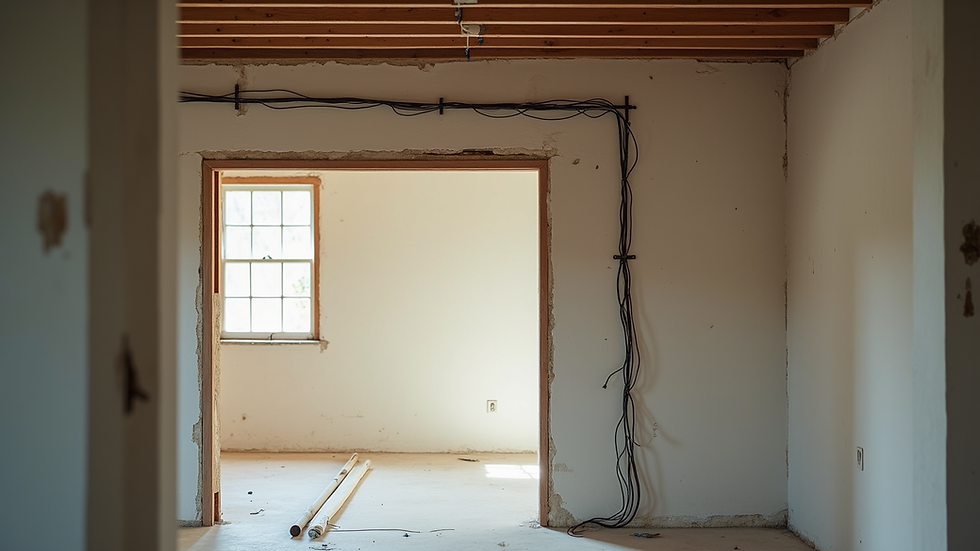
Wiring types: Be aware of the type of wiring in your home (e.g., knob-and-tube, modern wiring) as this can affect your renovation plans.
Plan Your Renovation Carefully
A well-thought-out plan can help prevent electrical hazards. Here are some steps to consider:
Hire a licensed electrician: If your renovation involves significant electrical work, hiring a professional is the safest option. They can ensure that all work meets local codes and regulations.
Obtain necessary permits: Check with your local building department to see if you need permits for your renovation. This is especially important for electrical work.
Create a detailed layout: Plan where outlets, switches, and fixtures will go. This will help you visualize the project and identify potential electrical issues before they arise.
Always Turn Off Power
One of the most critical safety tips is to always turn off the power before starting any electrical work. Here’s how to do it safely:
Locate the circuit breaker: Find the breaker that controls the area where you’ll be working.
Switch it off: Flip the breaker to the off position.
Test the circuit: Use a voltage tester to ensure that the power is off before touching any wires or fixtures.
Use Proper Tools and Equipment
Using the right tools can make a significant difference in ensuring your safety. Here are some essential tools for electrical work:
Insulated tools: Always use insulated tools to reduce the risk of electric shock.
Voltage tester: A voltage tester is crucial for checking if wires are live before you start working.
Wire strippers: These tools help you safely remove insulation from wires without damaging them.
Follow Electrical Codes
Electrical codes are designed to keep you safe. Familiarize yourself with the National Electrical Code (NEC) and any local codes that may apply to your renovation. Here are some key points to consider:
Outlet placement: Ensure that outlets are placed at the correct height and spacing according to code.
GFCI outlets: Install Ground Fault Circuit Interrupter (GFCI) outlets in areas where water is present, such as kitchens and bathrooms.
Wiring methods: Follow proper wiring methods to prevent overheating and potential fires.
Be Cautious with Old Wiring
If your home has older wiring, it’s essential to be extra cautious. Here are some tips for dealing with old wiring:
Inspect for damage: Look for frayed wires, exposed conductors, or signs of wear. If you find any issues, consult a professional.
Consider upgrades: If your home has outdated wiring, consider upgrading to modern standards. This can improve safety and efficiency.
Avoid overloading circuits: Be mindful of how many devices you connect to a single circuit, especially in older homes.
Keep the Work Area Safe
A cluttered work area can lead to accidents. Here are some tips to maintain a safe environment:
Clear the area: Remove any unnecessary items from the work area to prevent tripping hazards.
Use proper lighting: Ensure the area is well-lit to help you see what you’re doing and avoid mistakes.
Wear appropriate safety gear: Use safety glasses, gloves, and other protective gear to shield yourself from potential hazards.
Know When to Call for Help
While DIY projects can be rewarding, some electrical work is best left to professionals. Here are situations where you should call an electrician:
Complex installations: If your project involves complex wiring or new circuits, it’s safer to hire a licensed electrician.
Permits and inspections: If your renovation requires permits or inspections, a professional can help navigate these processes.
Uncertainty: If you’re unsure about any aspect of the electrical work, don’t hesitate to seek help.
Stay Informed About Electrical Safety
Keeping yourself informed about electrical safety can help prevent accidents. Here are some resources to consider:
Online courses: Many organizations offer online courses on electrical safety and home renovations.
Local workshops: Check with local community centers or home improvement stores for workshops on electrical safety.
Safety publications: Read materials from reputable sources, such as the National Fire Protection Association (NFPA), to stay updated on best practices.
Conclusion
Electrical safety is a crucial aspect of home renovations that should never be overlooked. By understanding your electrical system, planning carefully, and following safety guidelines, you can create a safe and efficient environment for your renovation project. Remember, when in doubt, it’s always best to consult a professional. Your safety is worth it.
Take these tips to heart, and you’ll be well on your way to a successful home renovation that enhances your living space while keeping you safe.

Comments