Top Plumbing Repairs Every Home Needs Today

Plumbing issues can arise unexpectedly, causing stress and inconvenience for homeowners. From leaky faucets to clogged drains, these problems can disrupt daily life and lead to costly repairs if not addressed promptly. In this blog post, we will explore the top plumbing repairs every home needs today, providing practical solutions and tips to keep your plumbing system in top shape.
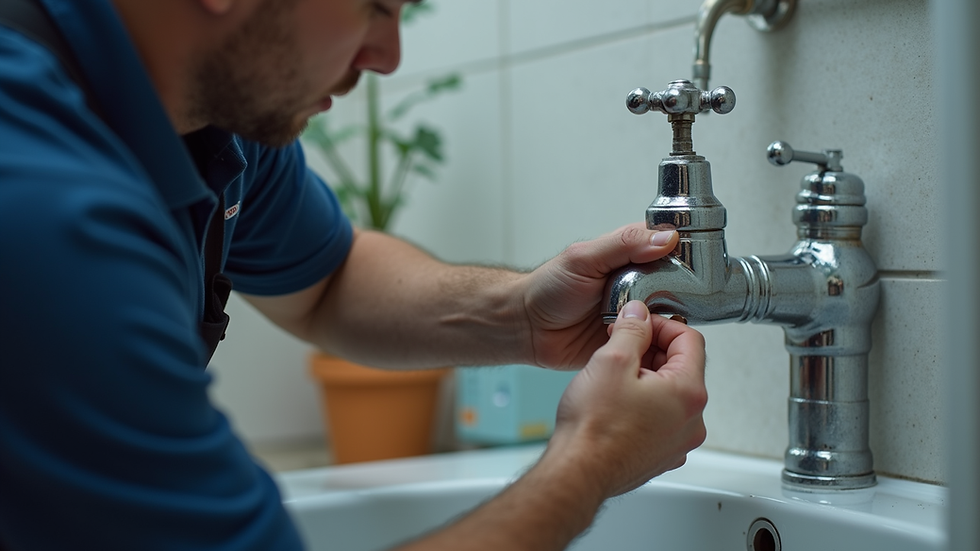
Understanding Common Plumbing Issues
Before diving into specific repairs, it’s essential to understand the common plumbing issues that many homeowners face. Recognizing these problems early can save you time, money, and frustration.
Leaky Faucets
Leaky faucets are not just annoying; they can waste a significant amount of water over time. A single drip can lead to hundreds of gallons wasted annually. The most common causes of faucet leaks include:
Worn-out washers: Over time, washers can degrade, leading to leaks.
Corroded valve seats: This can prevent a proper seal, causing water to escape.
Loose parts: Sometimes, simply tightening the faucet components can resolve the issue.
Clogged Drains
Clogged drains are another prevalent issue. They can occur due to a buildup of hair, soap, grease, or foreign objects. Signs of a clogged drain include:
Slow drainage
Unpleasant odors
Gurgling sounds
Running Toilets
A running toilet can waste a lot of water and increase your water bill. Common causes include:
Faulty flapper: The flapper may not seal properly, allowing water to leak into the bowl.
Float issues: If the float is set too high, it can cause water to overflow into the tank.
Essential Plumbing Repairs
Now that we’ve covered common plumbing issues, let’s delve into the essential repairs every homeowner should be aware of.
Repairing a Leaky Faucet
Fixing a leaky faucet is a straightforward task that can often be done with a few tools. Here’s how to do it:
Turn off the water supply: Locate the shut-off valves under the sink and turn them off.
Disassemble the faucet: Use a screwdriver to remove the handle and expose the inner components.
Inspect the washer: Check for wear and replace it if necessary.
Reassemble the faucet: Put everything back together and turn the water supply back on.
Unclogging Drains
Unclogging a drain can often be done using simple tools or household items. Here are a few methods:
Plunger: A plunger can create suction to dislodge clogs.
Baking soda and vinegar: Pouring a mixture of baking soda and vinegar down the drain can help break down buildup.
Plumbing snake: For tougher clogs, a plumbing snake can reach deeper into the pipes.
Fixing a Running Toilet
To fix a running toilet, follow these steps:
Remove the tank lid: Carefully take off the lid and set it aside.
Check the flapper: If it’s worn or damaged, replace it.
Adjust the float: Ensure the float is set at the correct height to prevent overflow.
Test the toilet: Flush to see if the issue is resolved.
Preventive Measures
While knowing how to fix plumbing issues is essential, prevention is equally important. Here are some tips to keep your plumbing system in good condition:
Regular Maintenance
Schedule regular plumbing inspections to catch potential issues before they become significant problems. A professional plumber can identify leaks, corrosion, and other concerns.
Be Mindful of What Goes Down the Drain
Avoid flushing non-biodegradable items or pouring grease down the sink. Use drain covers to catch hair and debris.
Insulate Pipes
In colder climates, insulating pipes can prevent freezing and bursting during winter months. This simple step can save you from costly repairs.
When to Call a Professional
While many plumbing repairs can be handled by homeowners, some situations require professional assistance. Here are a few signs that it’s time to call a plumber:
Persistent leaks: If you can’t locate the source of a leak, a professional can help.
Low water pressure: This could indicate a more significant issue within your plumbing system.
Multiple clogged drains: If several drains are clogged simultaneously, it may signal a blockage in the main sewer line.
Conclusion
Understanding and addressing common plumbing repairs can save homeowners time and money. From fixing leaky faucets to unclogging drains, being proactive about plumbing maintenance is key. Remember to perform regular inspections, be mindful of what goes down your drains, and don’t hesitate to call a professional when needed. By taking these steps, you can ensure your plumbing system remains in excellent condition for years to come.

Comments